
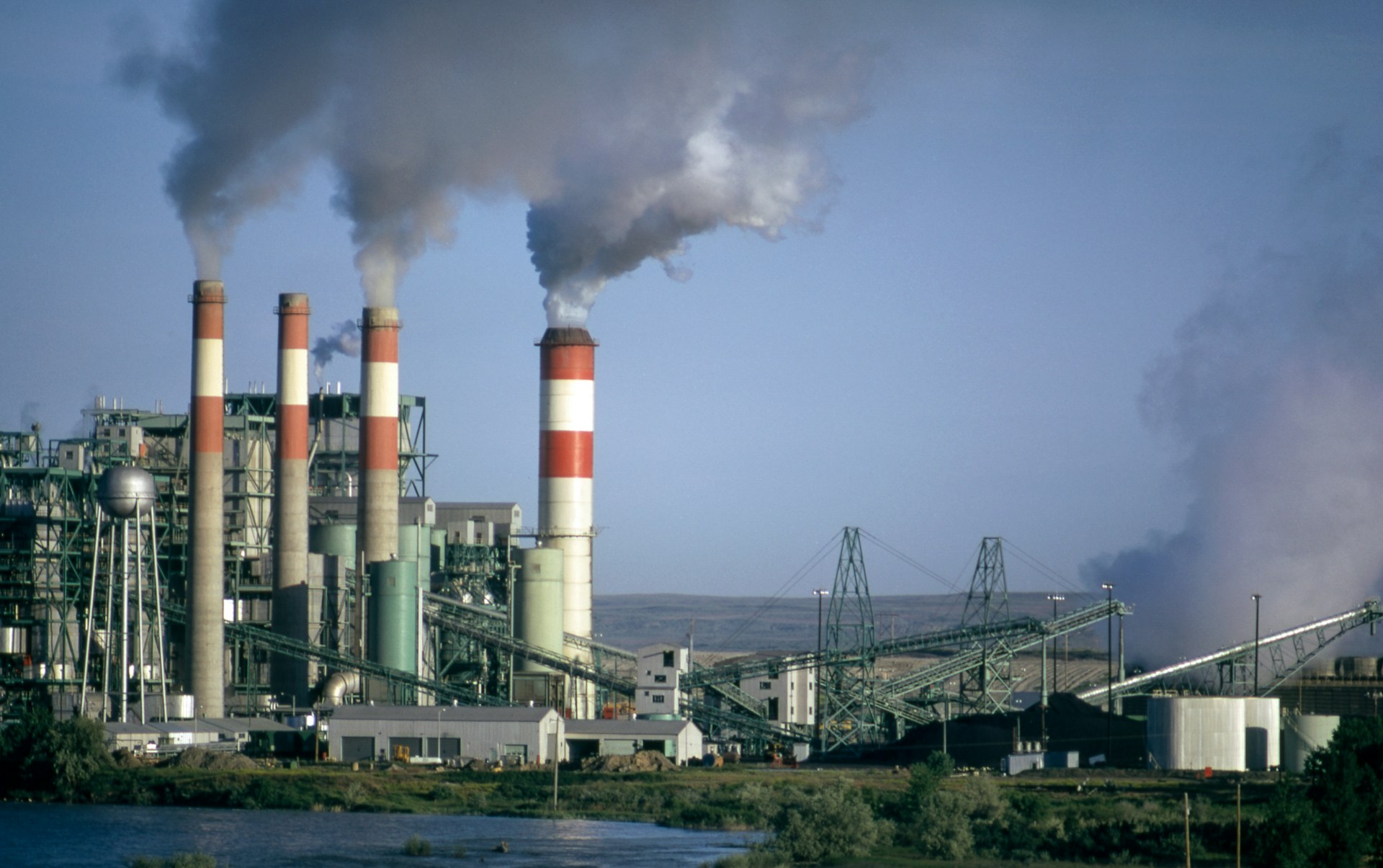
- Oil and gas training should match the specific field role someone wants.
- Many entry-level roles do not require a degree, but they do require safety credentials.
- Common credentials include OSHA, H2S Alive, First Aid, CPR, RigPass, SafeLandUSA, and BOSIET.
- Strong programs include employer input, hands-on practice, and clear placement support.
- Before enrolling, workers should confirm the credential, cost, schedule, and employer connections.
If a job posting for a floorhand, field technician, or instrumentation helper keeps asking for credentials you don't have yet, you're not alone. Many entry points into oil and gas don't require a degree, but they do require proof you can work safely on a site from day one.
Flashpass works with employers to build credential programs tied to real field roles, so the training you complete matches what a hiring manager is actually looking for.
Which Safety Credentials Do Employers Expect?
Employers expect a small, consistent set of safety credentials before they let you near a rig floor or production site. The specific mix depends on the job and the site, but a few show up across nearly every hiring post.
Entry-level field roles like roustabout, floorhand, and leasehand typically call for a high school diploma or less, with most of the actual skill built through a few days to a year of on-the-job training, according to the US Department of Labor's O*NET occupation profile for Roustabouts, Oil and Gas. That's good news if you're starting without a degree or years of field time behind you.
The most commonly requested credentials include:
- OSHA 10 or OSHA 30: general workplace safety training recognized across most onshore sites
- H2S Alive: hydrogen sulfide awareness, often required before you can step onto an active well site
- First Aid and CPR: widely expected regardless of job title
- SafeLandUSA or RigPass: recognized onshore safety orientation programs
- BOSIET: required specifically for offshore roles, covering helicopter escape and sea survival
Many employers also provide on-the-job training and certifications, so you don't always need every credential before you apply. Still, walking in with the basics covered puts you ahead of candidates who show up with nothing.
The next question is where each credential fits, starting with the one that shows up in almost every posting: OSHA.
When Do You Need OSHA Training?
OSHA 10 or OSHA 30 training is the baseline most employers want before they'll even schedule an interview for a field role. OSHA 10 covers general hazard recognition in construction and industrial settings, and many entry-level postings for roustabout or leasehand roles list it as a minimum.
OSHA 30 goes deeper and is more common for supervisory or site-lead tracks, though some employers prefer it even for crew members on larger operations. If you're targeting a drilling contractor or a service company that works under IADC accreditation standards, confirm which level they expect before you enroll in either course.
This credential alone won't get you hired, but it signals you understand hazard awareness before you're exposed to one.
What Does H2S Awareness Cover?
H2S Alive training teaches you to recognize and respond to hydrogen sulfide, a toxic gas common in oil and gas extraction. It's often required for field roles, especially in upstream operations where sour gas exposure is a real risk.
The course typically covers gas detection, respiratory protection, and emergency response procedures specific to H2S exposure. Sites in the Permian Basin and other high-sulfur regions tend to require it as a condition of site access, not just as a resume booster.
If you're applying to roles tied to drilling or wellsite work, treat H2S Alive as close to non-negotiable rather than optional.
Which Safety Courses Depend on the Job Site?
Some safety requirements shift depending on whether you're working onshore, offshore, or inside a specific contractor's program. Offshore roles typically require BOSIET, which covers helicopter safety and sea survival over three to four days of combined classroom and practical training.
Onshore sites often rely on RigPass, an orientation accredited through the International Association of Drilling Contractors. According to IADC's list of accredited RigPass providers, dozens of commercial training organizations across Texas, Louisiana, and Oklahoma are qualified to issue land and offshore endorsements.
Because requirements vary so much by site and employer, your next move is to match training to an actual job title rather than a generic "oil and gas" search.
Which Entry-Level Roles Can Training Prepare You For?
Training programs built around real job titles give you a far clearer target than generic industry courses. Three roles come up most often for new entrants: floorhand, field technician, and instrumentation helper.
Entry-level oil field jobs tend to reward people who show up safety-conscious and reliable more than people with a polished resume, and many supervisors started in these same roles. That's a meaningful detail if you're worried your lack of experience will disqualify you.
A short list of common entry points, from most physically demanding to most technical:
- Roustabout: general labor on a rig or site, requiring physical fitness over experience
- Floorhand/roughneck: drill-floor work, requiring basic safety certs
- Leasehand: site upkeep and crew support, often needing little to no prior experience
- Field or production operator: equipment and gauge monitoring, with some employer-provided training
- Mud logger: monitors drilling fluid and data, a relatively accessible entry point
Each role has its own skill expectations, so breaking them down individually helps you decide where to put your training dollars.
Floorhand and Rig Crew Roles
Floorhand roles sit on the drill floor and involve physically demanding work tied directly to the drilling process. Employers expect basic safety certifications like H2S Alive and RigPass before you join a crew, and most technical skills are built on the job.
Rig crews often promote from within, so a floorhand position today can lead to derrickhand or driller roles within a few years. Programs that pair safety credentials with hands-on orientation to rig equipment give you a stronger starting position than safety training alone.
Field Technician Roles
Field technician roles cover equipment monitoring, basic maintenance, and troubleshooting across upstream and midstream sites. These roles often sit between pure labor positions and specialized trades, making them a common target for career changers coming from manufacturing or construction.
A credential program built with industry input can map directly to the skills a field technician role expects: safety awareness, basic mechanical troubleshooting, and site protocol. That alignment matters more than a generic certificate when hiring managers compare candidates.
Instrumentation Helper Roles
Instrumentation helper roles support technicians who calibrate and maintain the gauges, sensors, and control systems used across production sites. This path leans more technical than floorhand work and often appeals to people with some background in electronics or basic mechanical systems.
Training for this role typically includes instrumentation fundamentals alongside standard safety credentials. Because the technical bar is slightly higher here, verifying a program's employer connections matters even more before you commit time.
How Can You Verify a Program's Employer Connections?
A program's value depends heavily on whether real employers helped build it or hire from it. Certificates alone don't guarantee a callback; employer ties do. Oil and gas sites are heavily regulated, high-risk environments, and hiring managers weigh workforce qualifications and training before letting new workers onto an active site.
Programs built with direct employer input, filmed on real worksites and featuring working tradespeople, tend to track much closer to what hiring managers actually screen for than generic online courses.
Ask Which Employers Help Shape the Training
Before enrolling, ask the program directly which companies were involved in designing the curriculum. A program that can name specific employer partners, not just "industry professionals," is giving you a concrete answer you can verify.
Look for programs connected to broader workforce initiatives, like state-level efforts such as Ohio's IMAP initiative, where training ties directly to regional hiring needs. That kind of specificity separates a program with real pipeline value from one repeating industry buzzwords.
Check Placement Evidence Beyond Certificate Counts
A program's completion numbers tell you how many people finished. They tell you nothing about how many got hired.
Ask for placement rates, not just completion rates, and ask whether graduates are matched to employers or continuing education paths after finishing. A program that can name hiring partners and show placement numbers is giving you something you can check; one that dodges the question is a warning sign.
Once you've confirmed a program has real employer backing, the next practical question is what it will cost you in time and money.
How Much Time and Money Should You Plan For?
Costs and timelines for oil and gas training vary widely depending on depth and delivery format. Entry-level safety credentials can often be completed in a day or two. Advanced technical courses aimed at working engineers, like well engineering or well integrity training, cost considerably more, often running into the thousands of dollars for a multi-day program. That's a different investment tier than what a new entrant typically needs.
For someone targeting an entry-level field role, the picture looks very different:
- Basic safety credentials (OSHA 10, H2S Alive, First Aid/CPR): typically completed in one to three days combined
- Offshore safety training (BOSIET): three to four days, combining classroom and practical sea survival work
- Employer-built microcredentials: shorter, structured programs designed to launch in weeks rather than months
Compare Course Length, Schedule, and Hands-On Practice
Short safety courses can often be completed in a single sitting, while technical credential programs stretch across several weeks with a mix of online modules and hands-on practice. If you're working another job while training, ask upfront whether the schedule is self-paced or fixed to specific dates.
Hands-on components matter more in this industry than in most. A program that covers material only online, without practical orientation to equipment or site protocol, leaves you less prepared than one that blends both.
Check Total Costs and Available Funding
Total costs range from under a hundred dollars for a single safety card to several thousand for multi-day technical training. Before paying out of pocket, check whether your state workforce agency, a local trade school program, or an employer-sponsored pathway covers part of the cost.
Some programs are built to launch fast and stay affordable because employer partnerships and state workforce dollars back them, rather than student tuition. That funding structure is worth asking about directly, since it can significantly change what you pay.
Once you know the time and cost range you're working with, the last step is making sure the specific program you're considering checks out before you hand over payment.
What Should You Check Before You Enroll?
Confirm the specific requirements of the job you want before you commit to any single training path. Programs vary enough in scope and employer recognition that skipping this step risks wasted time and money. Training that matches what employers actually value gives you a real edge over a generic certificate.
Confirm Requirements With Employers Hiring for Your Target Role
Reach out directly to companies hiring for the role you want and ask which credentials they require versus which they prefer. A company hiring floorhands in the Permian Basin may have different expectations than a midstream operator hiring field technicians elsewhere.
This step takes an afternoon of research but prevents you from spending weeks on a credential that doesn't match local hiring standards.
Get the Credential, Cost, and Placement Details in Writing
Before paying for any program, get clear answers on what credential you'll earn, what it costs in total, and what placement support it includes. Reputable programs will put this in writing without hesitation.
A program with real employer ties, built around current site and safety standards, should be able to answer every one of these questions directly. If a provider hedges on placement numbers or employer names, treat that as a signal to keep comparing options.
Choose Training That Fits the Job You Want
The strongest path into oil and gas starts with a specific job title, not a general interest in the industry. Floorhand, field technician, and instrumentation helper roles each call for a different mix of safety credentials and hands-on skills, and matching your training to that target saves both time and money.
The most reliable oil and gas training programs are the ones built with direct employer input and tied to measurable placement outcomes, not just certificate completion. That's the standard worth holding every program to before you enroll.
Programs developed alongside employers, filmed on real worksites, and connected to a network of hiring partners give you a far clearer shot at a first field role than a generic online course. And if oil and gas turns out not to be the only path worth considering, the same approach works for people pivoting from other fields entirely.
Frequently Asked Questions
Can I start oil and gas training with no industry experience?
Yes. Many entry-level roles like roustabout, floorhand, and leasehand require only a high-school education, physical fitness, and basic safety certifications. Employers often provide on-the-job training once you've completed foundational safety courses.
Can I complete oil and gas safety training online?
Some safety credentials, like OSHA 10 modules, can be completed online, while others like H2S Alive and BOSIET require in-person or hybrid delivery with hands-on components. Check with your target employer to confirm which delivery format they'll accept before enrolling.
Are free oil and gas courses enough to qualify for field work?
Free introductory courses can build foundational knowledge, but most field roles still require specific, often paid, safety certifications like H2S Alive or RigPass. Treat free courses as a starting point, not a substitute for required site credentials.
How much does an entry-level oil and gas course cost?
Basic safety credentials often cost under a few hundred dollars combined, while advanced technical training can run into the thousands depending on length and depth. Costs vary by provider, region, and whether the course includes hands-on components.
Do I need a certificate before applying for a floorhand job?
Not always, since some employers train new hires on site, but arriving with OSHA 10 and H2S Alive already completed makes you a stronger candidate. A certificate shows you understand basic hazard awareness before you ever set foot on a rig floor.
Once you've confirmed which credentials your target role needs, the next step is finding a program that delivers them with real employer backing. Book a demo with Flashpass to see how a structured, employer-built path compares to piecing together individual safety courses on your own.